All news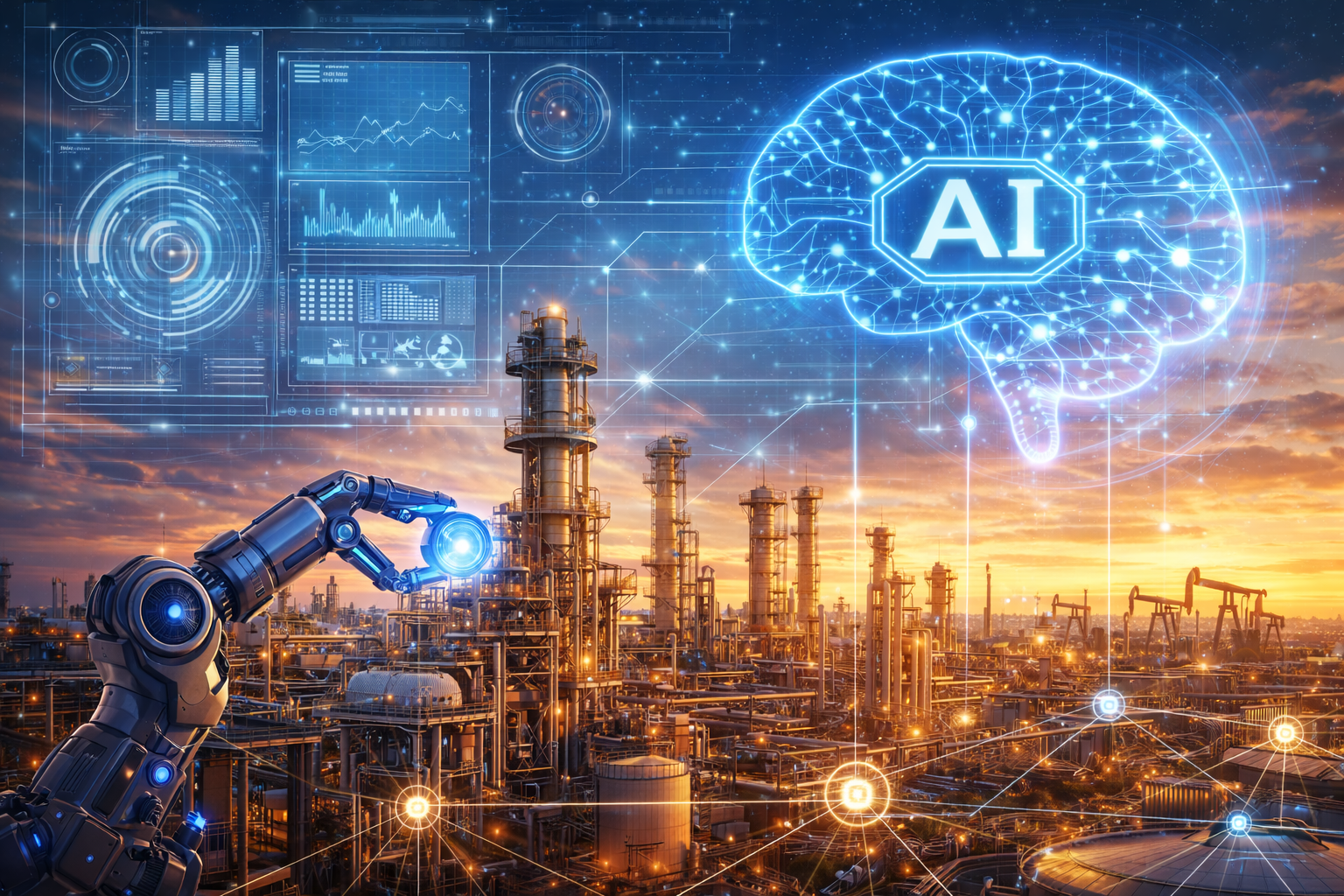
A new logic for process control: how AI is changing oil and gas asset management
Industrial AI is moving from experimentation to practical use in oil and gas, helping operators improve efficiency, reliability and control.
Kazakhstan oil and gas companies are increasingly looking at artificial intelligence not as an experimental technology, but as a practical tool for improving the efficiency, reliability and controllability of production assets. In practice, this means moving beyond conventional automation and dispatching toward intelligent control of processes and equipment.
President Kassym-Jomart Tokayev has emphasized the need to modernize the national oil and gas sector, including the adoption of AI-based solutions. Modern digital tools should help optimize production, transportation and processing of oil and gas, strengthen infrastructure resilience and reduce operating costs. The declaration of 2026 as the Year of Digitalization and AI puts additional focus on applied projects with measurable economic impact.
Industrial AI solutions are already ready for deployment at operating facilities. iQS Engineering has a portfolio of modern intelligent control and predictive analytics tools that can be applied within process control environments at oil and gas enterprises. The focus is on technologies designed for continuous processes and critical equipment.
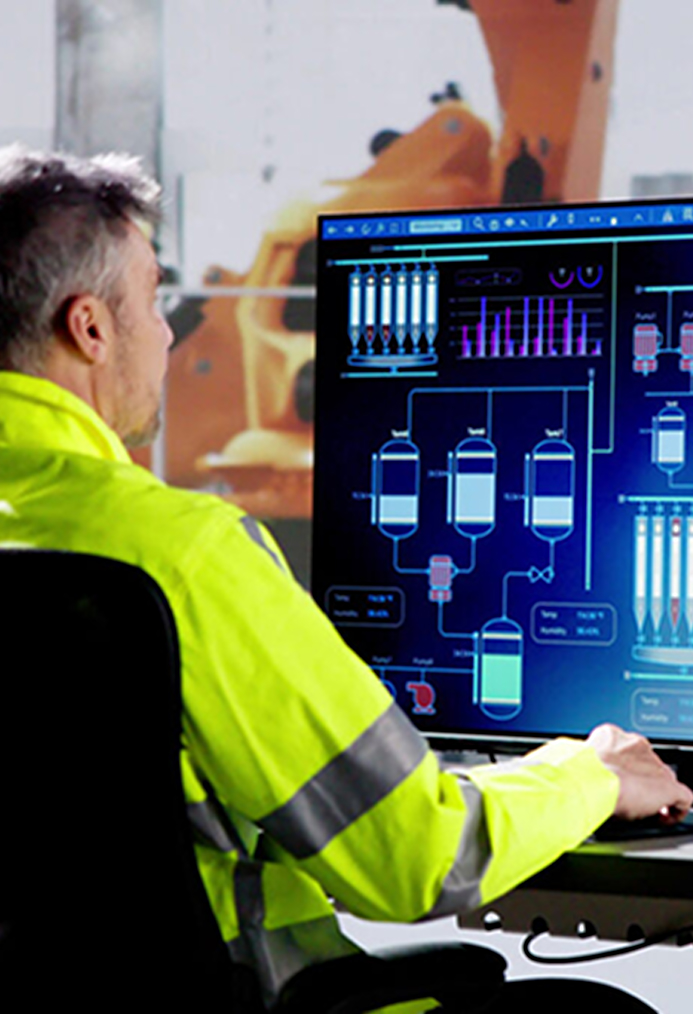
Intelligent analytics can be integrated directly into the existing control architecture at the level of controllers, SCADA and historian systems. Unlike isolated IT platforms, these solutions operate in real time and remain connected to the control loop.
Practical use cases include optimizing gas separation and treatment modes, intelligent control of furnaces and heat exchangers, reducing energy consumption in pump and compressor units, and detecting abnormal operating modes before parameters reach emergency limits. This approach helps stabilize processes, increase saleable product yield and reduce specific energy consumption without large-scale modernization of existing automation systems.
A separate area is predictive maintenance and technical risk management. Modern algorithms combine vibration monitoring data, process parameters and historical time series to detect equipment degradation at an early stage. Pumps, compressors, electric motors and fan units are among the most relevant equipment categories.
Early detection of bearing wear, imbalance and cavitation makes it possible to forecast failures, plan maintenance more accurately and reduce unplanned shutdowns. For continuous-cycle facilities, this directly affects OPEX, makes equipment operation more predictable and lowers process risks, which is especially important for remote infrastructure.
A key feature of the iQS Engineering approach is the deployment of industrial AI as part of a unified control platform rather than as a separate IT layer. The solutions scale from a single unit to an entire production complex, integrate with existing PLC, SCADA and Historian systems, and allow pilot projects to be launched without stopping production.
Industrial AI is no longer an experiment. It is becoming a working tool for improving the efficiency and resilience of oil and gas assets. For companies focused on modernization and cost reduction, this is not a future concept but a practical direction for development today.