All news
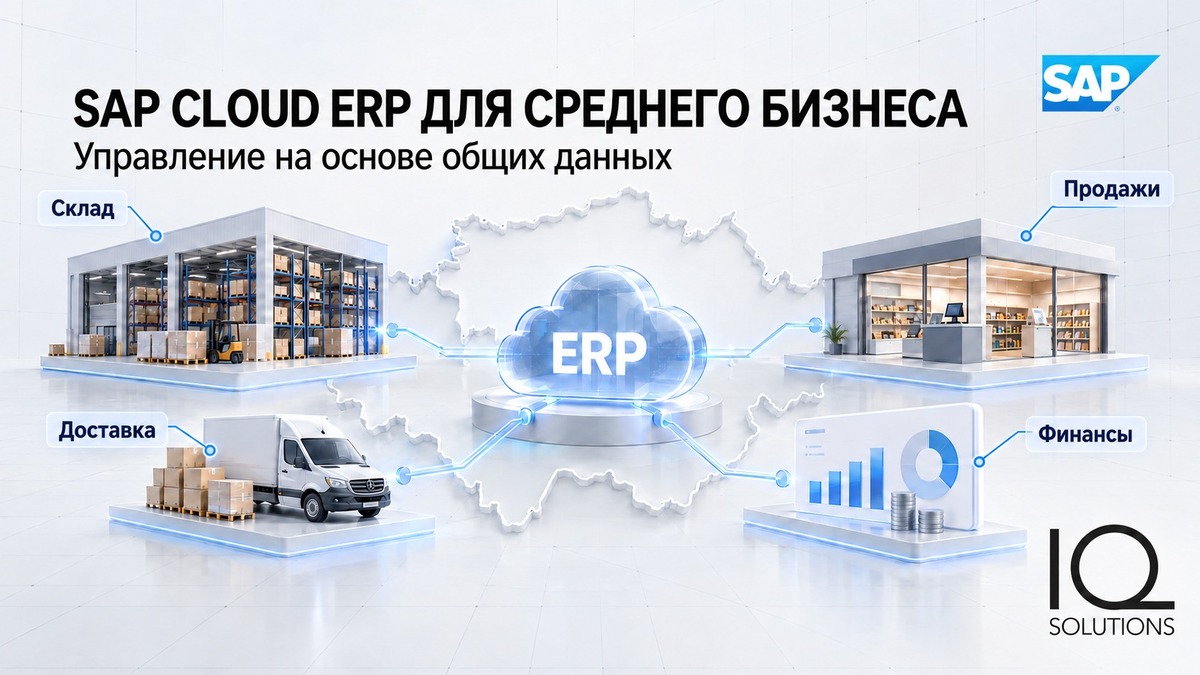
SAP Cloud ERP for Mid-Sized Businesses: Managing with Shared Data
SAP Cloud ERP connects purchasing, sales, inventory, logistics, and finance in one system, helping mid-sized businesses streamline operations and make decisions based on real-time data.
A company opens new sales locations, expands its product range, and handles more orders. Yet purchasing approvals still happen by email and messaging apps. Staff have to check stock levels with the warehouse, while financial results are compiled from several systems and spreadsheets.
At a certain point, these processes can slow business growth. Before confirming a customer delivery, the company needs to check whether the product is available. Before placing a new order with a supplier, it needs to know current stock levels, existing purchase orders, expected deliveries, and forecast demand. To plan working capital, the company also has to review supplier obligations, payment schedules, and expected cash inflows separately.
SAP Cloud ERP helps mid-sized companies in retail, FMCG, distribution, and logistics manage these challenges.
The system brings purchasing, inventory management, sales, warehouse operations, and finance together in one environment. A customer order, product reservation, shipment, invoice, and financial posting become part of one connected business process. Data is entered once and used across the company, reducing manual work and the risk of errors.
A shared data model and real-time access provide further value. Managers and specialists can see up-to-date information without combining data from different systems or waiting for separate reports.
What this means for the business:
- Purchasing teams can see current needs, open supplier orders, expected deliveries, and system recommendations for replenishing stock. This helps prevent both shortages and excess purchases.
- Sales teams can check available stock, expected deliveries, and order fulfilment dates, helping them give customers more accurate delivery information.
- Warehouse and logistics teams use shared data to track goods and orders, improving visibility and inventory control.
- Finance teams get an up-to-date view of accounts receivable and payable, liabilities, and cash flow without having to consolidate information manually.
- Company management can monitor key business indicators, including sales, inventory, margins, stock turnover, and cash flow, using consistent data from one system.
Built-in analytics help teams identify changes, monitor performance, and make decisions using current information. When needed, the company can also use forecasting and demand planning based on its operational data.
The company does not have to launch every process at once. The project can start with the areas that matter most to the business.
SAP Cloud ERP Public Edition includes ready-to-use industry scenarios from SAP Best Practices. During implementation, the project team compares SAP’s standard processes with the customer’s current operations, identifies integration needs, and considers local accounting and reporting requirements, as well as the specifics of doing business in Kazakhstan.
This approach can shorten implementation time, reduce project risks, and help the company see practical results from digitizing its key business processes sooner.